

laminated glass for swimming pool
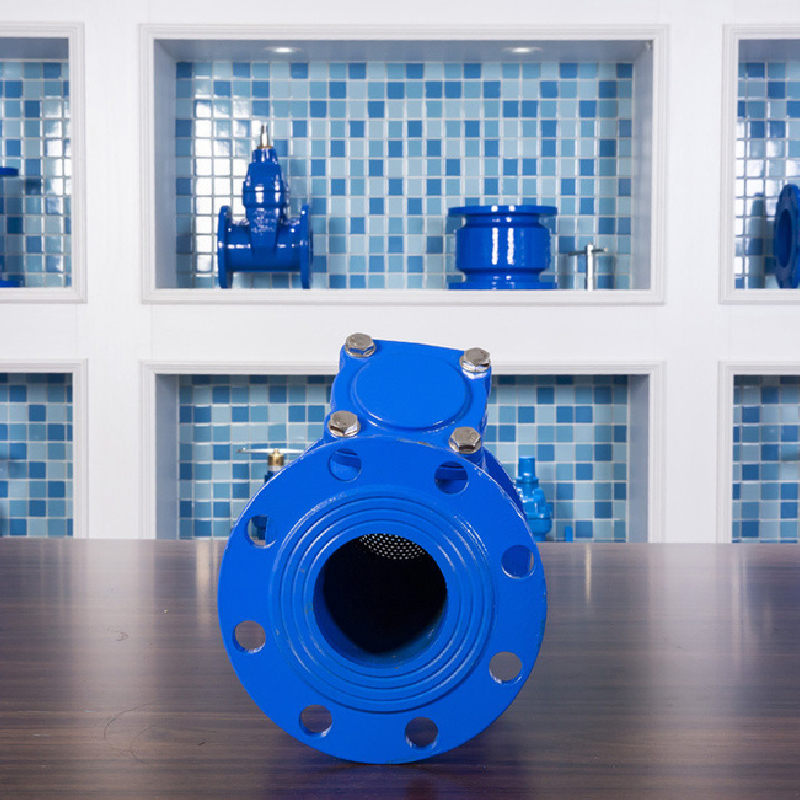
How to Close the Water Valve A Step-by-Step Guide Closing a water valve is an important skill that every homeowner should learn. Whether you're dealing with a plumbing emergency, performing maintenance, or just reducing water flow, knowing how to properly close a water valve can save you time, money, and potential damage to your property. In this article, we'll explore the steps to successfully close a water valve and provide some additional tips for managing your plumbing system effectively. Understanding Water Valves Before we get into the steps, it's essential to understand what a water valve is and its function. A water valve is a mechanical device that controls the flow of water in your plumbing system. Valves can be found in various locations, such as near sinks, toilets, water heaters, and the main water supply line. There are different types of valves, including gate valves, ball valves, and globe valves, each operating slightly differently. - Gate Valve This type of valve is operated by turning the handle in a clockwise direction to close it. Gate valves are typically used for on/off service and are not designed for throttling flow. - Ball Valve This valve uses a spherical disk to stop the flow of water. To close a ball valve, simply turn the handle 90 degrees clockwise. - Globe Valve Globe valves are commonly used for regulating flow. They can be closed by turning the handle clockwise, similar to gate valves. Step-by-Step Guide to Closing a Water Valve 1. Locate the Valve The first step is to locate the water valve you want to close. Common places include under sinks, behind toilets, near appliances, or at the main water supply line. If you're unsure, you can follow the water supply line from the fixture or appliance to find the valve. 2. Assess the Valve Type Once you find the valve, determine which type it is. This will influence how you operate it. Make sure you have a clear understanding of whether it's a gate valve, ball valve, or globe valve. 3. Prepare the Area Before closing the valve, it’s a good idea to clear the area around it. This will give you enough space to maneuver and prevent any accidents . If there's any water leaking, use a towel or a bucket to catch it. how to close the water valve 4. Turn Off the Valve - For a gate valve, grip the wheel handle and turn it clockwise until it won't turn anymore. Don’t force it; just turn until you feel resistance. - For a ball valve, turn the lever handle 90 degrees in the clockwise direction until it’s perpendicular to the pipe. - For a globe valve, turn the handle clockwise until it stops. 5. Check for Leaks After closing the valve, it’s essential to check for leaks. Go back to the fixture or appliance and look for any signs of water escaping. If there’s a leak, tighten the valve handle slightly more or consider replacing the valve. 6. Documentation and Maintenance Make a note of the valve's location and any maintenance you've performed. Regular check-ups of your valves can help ensure their reliability. Additional Tips - Use Caution If the water pressure is high, water may spew out when you first start to turn the valve. Be prepared to handle this and, if necessary, use a towel to mitigate splashing. - Have Tools Ready Sometimes valves can be rusted or stuck. In such cases, having a pair of pliers or a wrench may help. - Know Your Main Valve Always know where your main water shut-off valve is located. In an emergency, being able to quickly shut off all water supply can prevent extensive water damage. - Consider Professional Help If you're unsure about closing a valve or if it seems damaged, it’s wise to consult a professional plumber to avoid complications. In conclusion, closing a water valve is a vital skill that can make a significant difference in maintaining your home’s plumbing system. By following these steps and being aware of your valves, you'll be better equipped to handle any plumbing situation that arises.
about
laminated glass for swimming pool
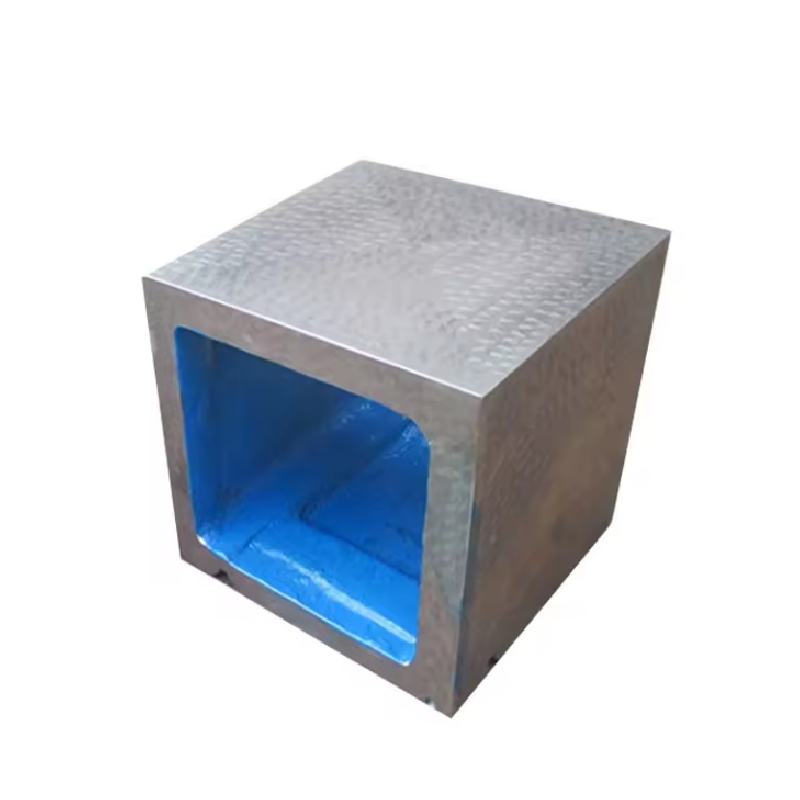
Understanding Leveling in Welding Tables Welding is a critical process in manufacturing and construction, creating strong joints between metal components. However, the effectiveness of welding is greatly influenced by the conditions under which it is performed, including the use of leveling tables. These tables are essential tools in the welding industry, offering a stable and precise setup for various welding applications. In this article, we will explore the importance of leveling welding tables and how they contribute to high-quality welds. The Basics of Leveling Welding Tables Leveling welding tables are specialized surfaces designed to provide a flat, stable foundation for welding tasks. Their primary purpose is to ensure that the workpieces are properly aligned and secured throughout the welding process. Achieving a level surface is crucial, as even minor discrepancies can lead to distorted welds, inconsistent joint strengths, and an increased risk of defects. A typical leveling table features adjustable legs or supports, allowing the user to modify the height and angle of the table to suit the specific requirements of the job. Some tables include built-in leveling systems or spirit levels that help operators quickly determine whether the surface is perfectly horizontal. This adaptability makes them versatile tools across various industries, from large-scale manufacturing to intricate craft welding projects. Importance of Leveling in Welding The importance of leveling in welding cannot be overstated. A level surface facilitates proper alignment of the workpieces, which is vital for achieving even and consistent welds. When workpieces are misaligned, it can lead to several issues 1. Distortion Uneven heating during the welding process can cause the metal to warp or bend, resulting in a misaligned end product. 2. Strength Issues Improper alignment may lead to uneven distribution of stress across a welded joint, compromising its overall strength and longevity . 3. Increased Defects Misalignment is often a precursor to various weld defects, such as lack of penetration, undercutting, or excessive spatter. These defects can result in costly rework or scrapping of components. leveling welding table 4. Safety Hazards Structural weaknesses due to poor welding can pose serious safety risks, especially in critical applications like aerospace or construction. Features of an Effective Leveling Welding Table When selecting a leveling welding table, several key features should be considered to ensure optimal performance - Material The table should be made from a durable, heat-resistant material that can withstand the rigors of the welding process. Common materials include steel and aluminum. - Adjustability Look for tables with adjustable legs or supports to accommodate different workpieces and operator preferences. Some advanced models offer quick-release mechanisms for easy height adjustments. - Surface Finish A flat and smooth surface is essential for preventing defects. The table should also be resistant to spatter and easy to clean. - Load Capacity Ensure that the table can support the weight of your workpieces. Tables with higher load capacities provide more versatility for larger fabrication projects. Conclusion Leveling welding tables play a significant role in the quality of welding operations. By providing a stable and adjustable surface, they help ensure the proper alignment of workpieces, leading to stronger, more reliable joints. In a trade where precision is paramount, investing in a high-quality leveling table can mean the difference between success and costly mistakes. As industries continue to evolve and demand for high-quality welding increases, the importance of leveling welding tables will remain at the forefront. Properly leveled work surfaces not only enhance performance but also contribute to overall safety in the workplace. Therefore, whether you are a hobbyist welder or a professional fabricator, understanding and utilizing leveling tables should be a fundamental part of your welding setup.
-

High quality industrial productsagement

High quality industrial products
View Details -

Meet the diverse needs of customers

Meet the diverse needs of customers
View Details -

Strict quality control

Strict quality control
View Details -

Top raw materials

Top raw materials
View Details -

Trusted supplier

Trusted supplier
View Details
Our application

news and information
water line valve
Navigating Your Water Line Valve Needs An Expert Perspective For homeowners and industry professiona
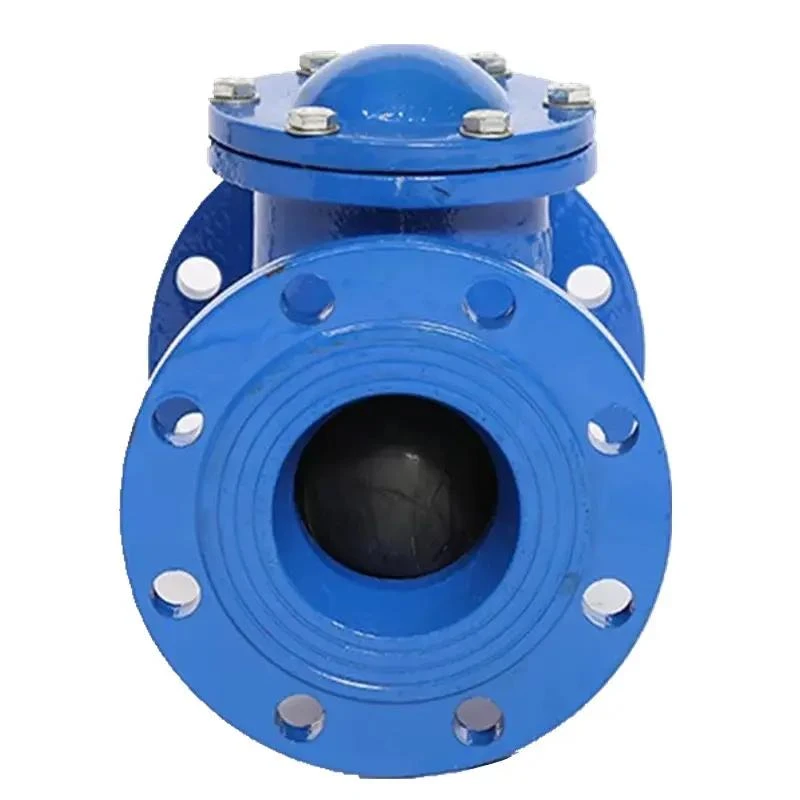
Ventile de grille de 18 pouces
La vanne de portail de 18 pouces un élément clé pour la gestion des fluides Les vannes jouent un rô
Versatile and Durable Metal Angle Brackets for Adjustable Applications in Home and Industrial Projec
The Versatility and Utility of Adjustable Metal Angle Brackets In the world of construction and DIY
 English